Whether your car is brand new to you or has been part of the family for years, regular maintenance can help extend its life, improve reliability, preserve its appearance and reduce the chances of unexpected – and sometimes expensive – repairs.
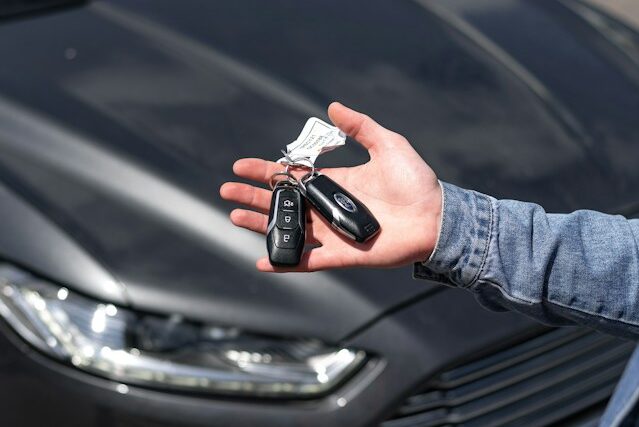

Buying a vehicle is an investment. Taking care of it is how you protect that investment.
Whether your car is brand new to you or has been part of the family for years, regular maintenance can help extend its life, improve reliability, preserve its appearance and reduce the chances of unexpected – and sometimes expensive – repairs.
At IMEX USA Car Depot, automobiles have been part of our world for decades. One thing experience teaches you quickly is that many vehicle problems don’t happen overnight. They develop gradually, and regular attention can make a big difference.
Here are 10 practical habits every driver should know.
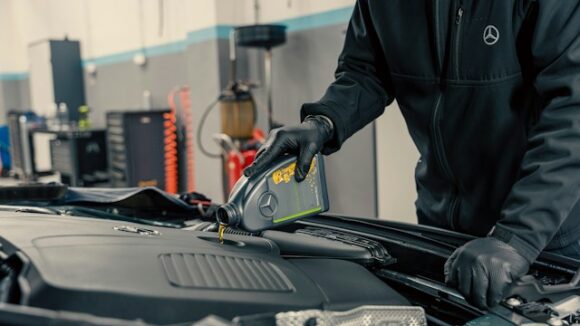
Engine oil is one of the most important fluids in your vehicle. It lubricates moving engine components and helps protect them from excessive friction, heat and wear.
But oil doesn’t last forever. Follow the oil-change interval specified by your vehicle’s manufacturer rather than relying on one universal mileage rule. The appropriate interval can vary depending on the vehicle, oil type, driving conditions and manufacturer recommendations.
And don’t ignore the oil level between services. Checking it periodically can help you identify low oil levels or unusual consumption before they become bigger problems.
Garage Tip: Keep a simple record of your oil changes. Your memory isn’t as reliable as a service receipt or maintenance log.
Oil isn’t the only fluid your vehicle depends on. Depending on the vehicle, important fluids can include engine coolant, brake fluid, transmission fluid, power-steering fluid and windshield-washer fluid.
Low or deteriorated fluids can affect performance and, in some cases, signal a leak or another mechanical issue. Make checking fluid levels part of your regular maintenance routine, and always follow the manufacturer’s recommendations for the correct fluid type and service intervals.
If you repeatedly need to add a particular fluid, don’t simply keep topping it off. Have the vehicle inspected to determine why the level is dropping.
Your tires are the only parts of the vehicle that are constantly in contact with the road, so their condition matters enormously.
Check tire pressure regularly and use the pressure recommended by the vehicle manufacturer, usually found on the driver’s-side door jamb or in the owner’s manual. Also inspect your tires for uneven wear, cracks, bulges or embedded objects.
Proper tire rotation can help promote more even wear and extend tire life. Rotation schedules vary, so follow the recommendations for your particular vehicle and tires.
Proper tire pressure isn’t just about extending tire life. It can also affect handling, braking and fuel efficiency.
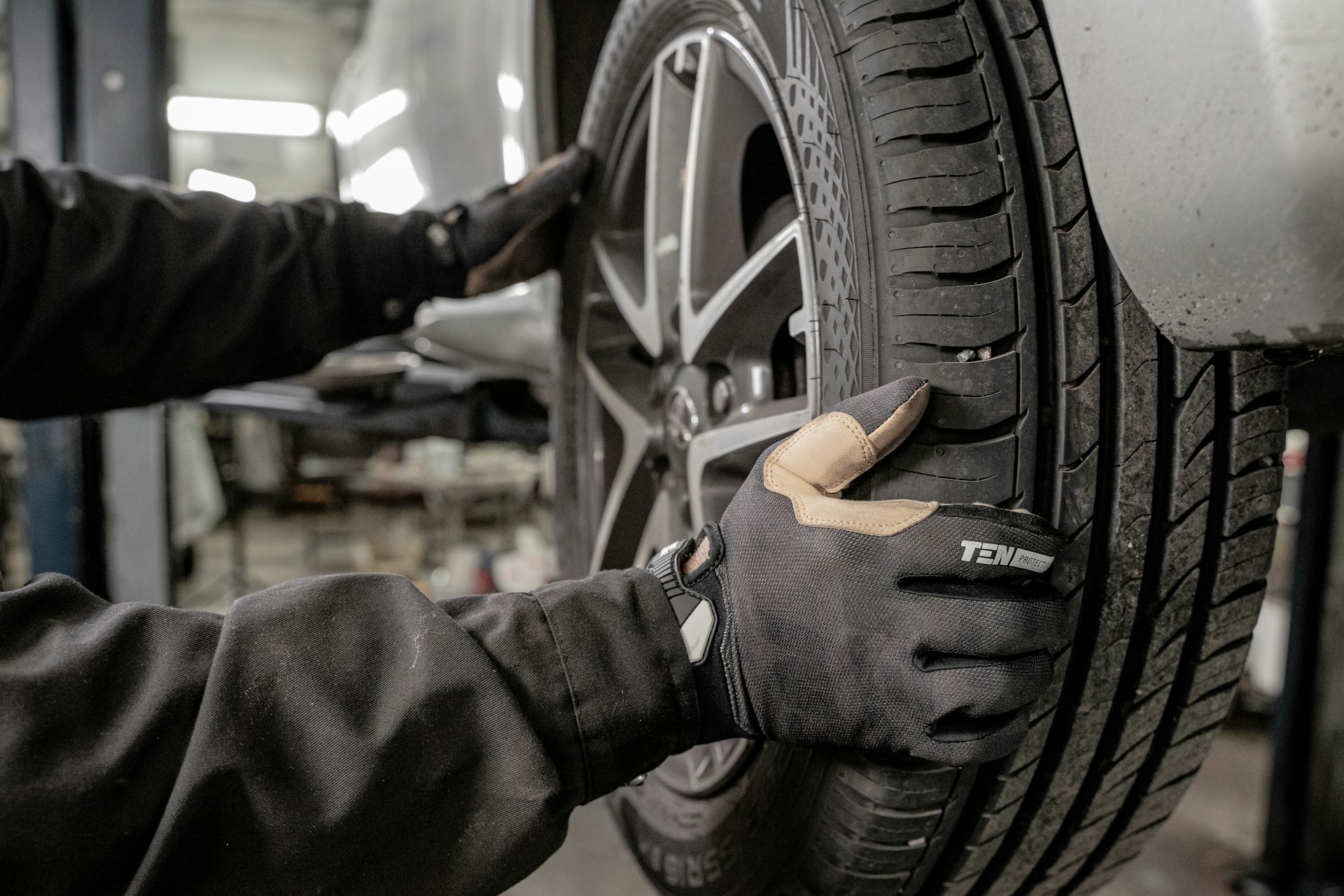
This one is especially close to our automotive roots. The history behind IMEX USA Car Depot includes generations of experience with braking systems through Rally Sport, so we know how important brake maintenance is.
Pay attention to changes in how your vehicle feels and sounds when braking. Squealing, grinding, vibration, a soft brake pedal, pulling to one side or increased stopping distance should never simply be ignored.
Brake pads, rotors, brake fluid and other components wear over time. Your brakes are a safety system. If something doesn’t feel right, have them inspected by a qualified professional.
Few things are more frustrating than turning the key – or pressing the start button – and getting nothing.
Vehicle batteries have a limited service life, and heat can be particularly demanding on them. That’s especially relevant for drivers in South Florida
Periodically inspect the battery area for corrosion or obvious damage and pay attention to signs such as slow engine cranking, electrical issues or difficulty starting the vehicle. If your battery is getting older or showing symptoms of weakness, having it tested can help prevent an inconvenient surprise.
Your dashboard is your vehicle’s way of communicating with you. Some lights are simple reminders. Others indicate a problem that needs attention. Certain warnings – such as oil-pressure, overheating or braking-system warnings – can require immediate action.
A check-engine light doesn’t automatically mean catastrophe, but it shouldn’t be ignored indefinitely either.
Garage Tip: If a warning light appears and you’re unsure what it means, check your owner’s manual. If the warning indicates a serious condition or the vehicle is behaving abnormally, stop driving when safe and seek professional assistance.
Maintenance isn’t only mechanical. Regular washing removes dirt, road grime, bird droppings, insects and other contaminants that can affect your vehicle’s finish if they’re left on the surface.
How frequently you should wash a vehicle depends on where and how it’s driven, but for many drivers, washing it about every two weeks is a reasonable starting point. A vehicle exposed to heavy contaminants may need attention sooner.
In South Florida, strong sun, heat, rain, bugs and environmental contaminants can all be hard on a vehicle’s exterior. Consider using a quality wax, sealant or other appropriate paint-protection product periodically. Whenever possible, parking in a garage, under cover or in shade can also help reduce prolonged exposure to the sun.
And don’t forget the interior. Keeping upholstery, carpets and surfaces clean makes the vehicle more pleasant to own and can help preserve its overall condition.
Small components can make a noticeable difference. Your engine air filter helps keep contaminants from entering the engine’s air intake system. The cabin air filter helps filter the air entering the passenger compartment.
Both eventually become dirty and need replacement according to vehicle conditions and manufacturer recommendations.
Wiper blades deserve attention too – particularly in South Florida, where sudden heavy rain can make good visibility essential. If your wipers streak, chatter or leave portions of the windshield unclear, it’s probably time to inspect or replace them.
You drive your vehicle regularly, which means you’re often the first person capable of noticing when something changes: a new vibration, an unusual smell, a strange sound, a vehicle pulling differently, a change in braking or a temperature gauge behaving unusually.
Don’t automatically assume a new symptom will disappear on its own. Finding the cause of a small problem early can sometimes prevent it from becoming a much larger repair.
Perhaps the simplest maintenance advice is also one of the most important: read the owner’s manual.
Every vehicle is different. The manufacturer provides recommended service intervals for items such as oil, filters, fluids, spark plugs, belts and other components. Modern vehicles may also display maintenance reminders based on mileage, time or operating conditions.
Following the recommended schedule gives you a much better foundation than guessing when something needs attention. Keeping maintenance records is also a good habit. They help you understand what’s already been serviced and can be useful when it’s eventually time to sell or trade the vehicle.
You don’t need to be a mechanic to take good care of your car. You simply need to pay attention.
Check the tires. Watch the fluids. Change the oil when required. Listen for unusual noises. Keep the vehicle clean. Don’t ignore warning lights. And have qualified professionals inspect or service systems you aren’t comfortable handling yourself.
Those small habits add up. A well-maintained vehicle can be safer, more reliable, more enjoyable to drive and potentially more valuable when the day eventually comes to replace it.
At IMEX USA Car Depot, our automotive experience began long before we started selling vehicles. From automotive parts and braking systems to distribution and now pre-owned vehicles, we’ve spent decades around cars and the people who depend on them.
That’s what the Garage is about. Not simply selling you your next vehicle, but sharing practical automotive knowledge that can help you take better care of the one you already have.
Because finding the right car matters. Taking care of it afterward matters just as much.